10 Must-Know Cybersecurity Trends for 2025
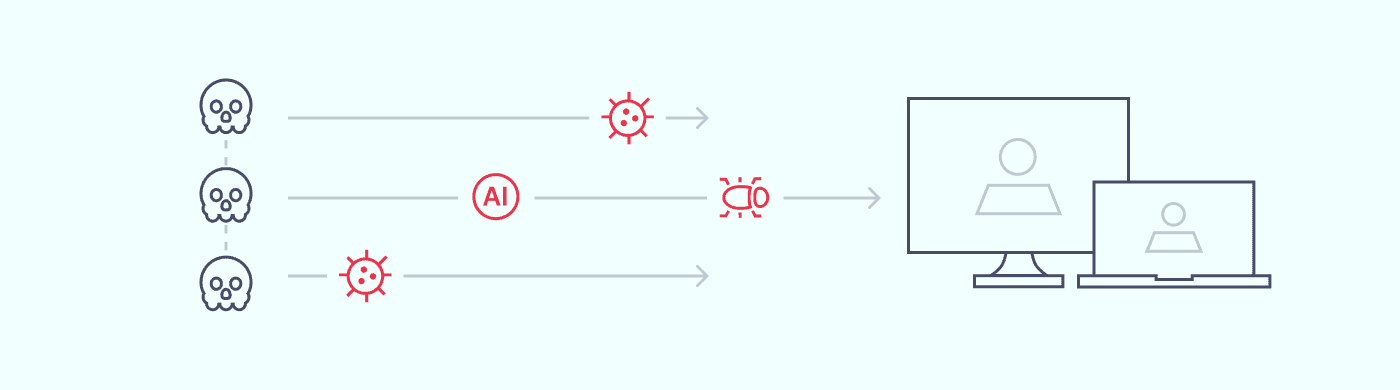
As the digital world evolves, so do the tactics of cybercriminals. Emerging technologies like quantum computing and AI bring tremendous opportunities but also introduce significant risks. In 2025, businesses must stay ahead of the curve by understanding these evolving threats and implementing robust strategies to protect their assets. Here’s a deep dive into the top cybersecurity trends for 2025 and how organizations can tackle these challenges head-on.
Key Takeaways
- Quantum computing could break modern encryption.
- AI-driven ransomware will become more sophisticated.
- Identity breaches will rise due to stolen credentials.
- AI-powered Security Operations Centers (SOCs) will enhance threat detection.
- CIO and CISO roles will converge for stronger cybersecurity governance.
- Cloud security will face new challenges, requiring innovative defense strategies.
1. AI-Driven Ransomware: Faster and Smarter Attacks
Ransomware attacks are becoming more frequent and sophisticated, thanks to AI. In 2025, AI will enable attackers to quickly map networks and create targeted ransom demands. Businesses must implement proactive defenses, such as:
- Threat intelligence tools to predict attacks.
- Behavioral analysis systems to detect anomalies.
- Regular data backups to mitigate the impact of attacks.
2. Quantum Computing: A Threat to Encryption
Quantum computing poses a serious risk to current encryption standards. Researchers predict that quantum computers could crack traditional encryption as early as 2025. Organizations should begin transitioning to post-quantum cryptography to safeguard sensitive data.

3. Identity Breaches: The Rise of Credential Abuse
Cybercriminals are shifting tactics, focusing on stealing and using legitimate credentials. With a 71% increase in credential-based attacks, businesses should adopt:
- Multi-Factor Authentication (MFA) to enhance login security.
- Zero Trust frameworks to limit access and minimize risks.
- Dark web monitoring to detect and respond to leaked credentials.
4. AI Agents: A New Frontier of Threats
By 2028, AI agents will play a role in 25% of data breaches. These autonomous programs can exploit vulnerabilities and manipulate data. Companies must integrate AI-specific risk management into their security frameworks and continuously monitor AI applications for suspicious activities.
5. Political and Election-Related Cyber-Attacks
Governments worldwide face an increased risk of cyber-attacks targeting elections. In 2025, cybercriminals will use disinformation and DDoS attacks to disrupt democratic processes. Enhanced cyber resilience and election security measures are crucial to safeguarding public trust.

6. AI-Powered SOC Co-Pilots
Security Operations Centers (SOCs) will leverage AI tools to manage vast amounts of data, prioritize threats, and automate incident response. AI co-pilots will:
- Reduce false positives by filtering noise.
- Provide actionable insights for faster decision-making.
- Streamline response efforts by automating routine tasks.
7. Converging Roles of CIO and CISO
As AI adoption increases, the roles of CIO and CISO will merge, fostering a unified approach to cybersecurity and IT management. This convergence will enhance:
- Collaboration between IT and security teams.
- Integrated risk management strategies.
- Holistic governance of technology and security.
8. Cloud Security Challenges
With businesses increasingly relying on cloud platforms, securing these environments becomes paramount. Key threats include:
- Misconfigurations leading to data exposure.
- Insecure APIs targeted by attackers.
- Insider threats compromising critical systems.
To mitigate these risks, companies should implement:
- Cloud access security brokers (CASBs) for real-time monitoring.
- Encryption for data in transit and at rest.
- Compliance frameworks to adhere to regulations like GDPR and HIPAA.

9. IoT Security Risks
The proliferation of IoT devices introduces new vulnerabilities. By 2025, over 32 billion IoT devices will be in use, many of which lack robust security. Businesses must:
- Segment networks to isolate IoT devices.
- Implement secure firmware updates.
- Monitor device behavior for anomalies.
10. New Security Regulations and Compliance
Regulatory bodies are introducing stricter cybersecurity laws, particularly around AI and data privacy. Businesses must adopt proactive compliance strategies and regularly audit their security measures to avoid penalties and breaches.
Strategies for Business Safety in 2025
To stay resilient against evolving threats, organizations should adopt a multi-layered defense strategy:
- Use MFA to secure access.
- Implement Zero Trust principles.
- Encrypt sensitive data.
- Conduct regular security audits and penetration tests.
- Train employees to recognize phishing and social engineering attacks.
The Role of Cynical Technology
At Cynical Technology, we specialize in helping businesses navigate complex cybersecurity landscapes. Our Vulnerability Assessment and Penetration Testing (VAPT) services, Zero Trust solutions, and AI-driven threat detection tools empower organizations to stay ahead of threats.
Ready to fortify your cybersecurity posture?
Partner with Cynical Technology to protect your business from emerging threats. Contact us today for a free consultation!
Stay updated with the latest trends and insights. Subscribe to our newsletter for regular updates on cybersecurity.